Modular Stall Designing
Understanding Modular Stall Design:
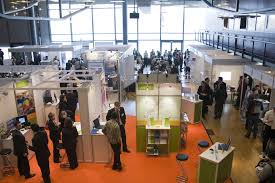
Modular stall design revolves around the use of pre-fabricated components that can be easily assembled, disassembled, and reconfigured to suit various spatial requirements and branding needs. These components typically include panels, frames, fixtures, and accessories that can be interchanged or combined to create diverse layouts and configurations.
Benefits of Modular Stall Design:
Flexibility: Modular stalls offer unparalleled flexibility, allowing exhibitors to adapt to different event spaces and audience demographics effortlessly. Whether it's a small-scale exhibition or a large trade show, modular designs can be customized to fit any environment.
Cost-Effectiveness: Traditional stall construction can be costly and time-consuming. In contrast, modular designs significantly reduce costs associated with materials, labor, and logistics. Moreover, their reusability makes them a sustainable and economical choice for long-term event participation.
Ease of Assembly: Modular components are designed for easy assembly without the need for specialized tools or skills. This streamlines the setup process, minimizing downtime and ensuring a hassle-free experience for exhibitors.
Brand Consistency: Consistent branding is crucial for reinforcing brand identity and creating a memorable impression. Modular stalls offer branding opportunities through customizable graphics, signage, and branding elements, ensuring cohesive brand representation across different events and locations.
Scalability: Whether your exhibition space needs to expand or downsize, modular designs can adapt accordingly. Exhibitors can add or remove components to accommodate changing spatial requirements, maximizing the efficiency of the stall layout.
Innovative Approaches to Modular Stall Design:
Modular Furniture Integration: Incorporating modular furniture elements such as seating units, display counters, and shelving systems enhances functionality and aesthetic appeal. These modular furniture pieces can be rearranged to create dynamic seating arrangements or product display setups, maximizing space utilization.
Interactive Technology Integration: Integrating interactive technologies such as touchscreen displays, augmented reality (AR), or virtual reality (VR) experiences adds a futuristic dimension to modular stalls. Visitors can engage with immersive content, product demonstrations, or interactive games, fostering deeper engagement and brand interaction.
Green Initiatives: Embracing sustainability is a growing trend in event design. Modular stalls can incorporate eco-friendly materials, energy-efficient lighting solutions, and reusable components to minimize environmental impact. Additionally, incorporating greenery elements such as living walls or potted plants enhances aesthetics while promoting environmental consciousness.
Modular Lighting Systems: Lighting plays a crucial role in setting the mood and highlighting key elements of the stall. Modular lighting systems, such as LED panels, track lights, or programmable lighting fixtures, offer versatility and customization options. Exhibitors can adjust lighting intensity, color, and direction to create captivating visual effects that draw attention to their products or displays.
Collapsible Structures: For exhibitors with limited storage space or frequent travel requirements, collapsible structures offer a compact and portable solution. These collapsible modules can be folded or stacked for easy transportation and storage, minimizing logistical challenges associated with bulky exhibition materials.
Benefits of Modular Stall Design:
Flexibility: Modular stalls offer unparalleled flexibility, allowing exhibitors to adapt to different event spaces and audience demographics effortlessly. Whether it's a small-scale exhibition or a large trade show, modular designs can be customized to fit any environment.
Cost-Effectiveness: Traditional stall construction can be costly and time-consuming. In contrast, modular designs significantly reduce costs associated with materials, labor, and logistics. Moreover, their reusability makes them a sustainable and economical choice for long-term event participation.
Ease of Assembly: Modular components are designed for easy assembly without the need for specialized tools or skills. This streamlines the setup process, minimizing downtime and ensuring a hassle-free experience for exhibitors.
Brand Consistency: Consistent branding is crucial for reinforcing brand identity and creating a memorable impression. Modular stalls offer branding opportunities through customizable graphics, signage, and branding elements, ensuring cohesive brand representation across different events and locations.
Scalability: Whether your exhibition space needs to expand or downsize, modular designs can adapt accordingly. Exhibitors can add or remove components to accommodate changing spatial requirements, maximizing the efficiency of the stall layout.
Innovative Approaches to Modular Stall Design:
Modular Furniture Integration: Incorporating modular furniture elements such as seating units, display counters, and shelving systems enhances functionality and aesthetic appeal. These modular furniture pieces can be rearranged to create dynamic seating arrangements or product display setups, maximizing space utilization.
Interactive Technology Integration: Integrating interactive technologies such as touchscreen displays, augmented reality (AR), or virtual reality (VR) experiences adds a futuristic dimension to modular stalls. Visitors can engage with immersive content, product demonstrations, or interactive games, fostering deeper engagement and brand interaction.
Green Initiatives: Embracing sustainability is a growing trend in event design. Modular stalls can incorporate eco-friendly materials, energy-efficient lighting solutions, and reusable components to minimize environmental impact. Additionally, incorporating greenery elements such as living walls or potted plants enhances aesthetics while promoting environmental consciousness.
Modular Lighting Systems: Lighting plays a crucial role in setting the mood and highlighting key elements of the stall. Modular lighting systems, such as LED panels, track lights, or programmable lighting fixtures, offer versatility and customization options. Exhibitors can adjust lighting intensity, color, and direction to create captivating visual effects that draw attention to their products or displays.
Collapsible Structures: For exhibitors with limited storage space or frequent travel requirements, collapsible structures offer a compact and portable solution. These collapsible modules can be folded or stacked for easy transportation and storage, minimizing logistical challenges associated with bulky exhibition materials.